

For anyone who experiences panic attacks or any other bodily reactions to trauma triggers, you’ve probably asked yourself, “Why can’t I stop my body from doing something my mind knows is maladaptive?” Talk therapy can help us to understand our experiences when we’re in a state of calm, but does it really get to the root of the problem?
Having these doubts in mind, I sought to find a different kind of treatment. One that would hopefully help me to train my body to improve my reaction to stress. Enter “Core Energetics.” I’d heard about this alternative type of therapy from a friend who recommended a woman with a unique background of experience, named Diana.
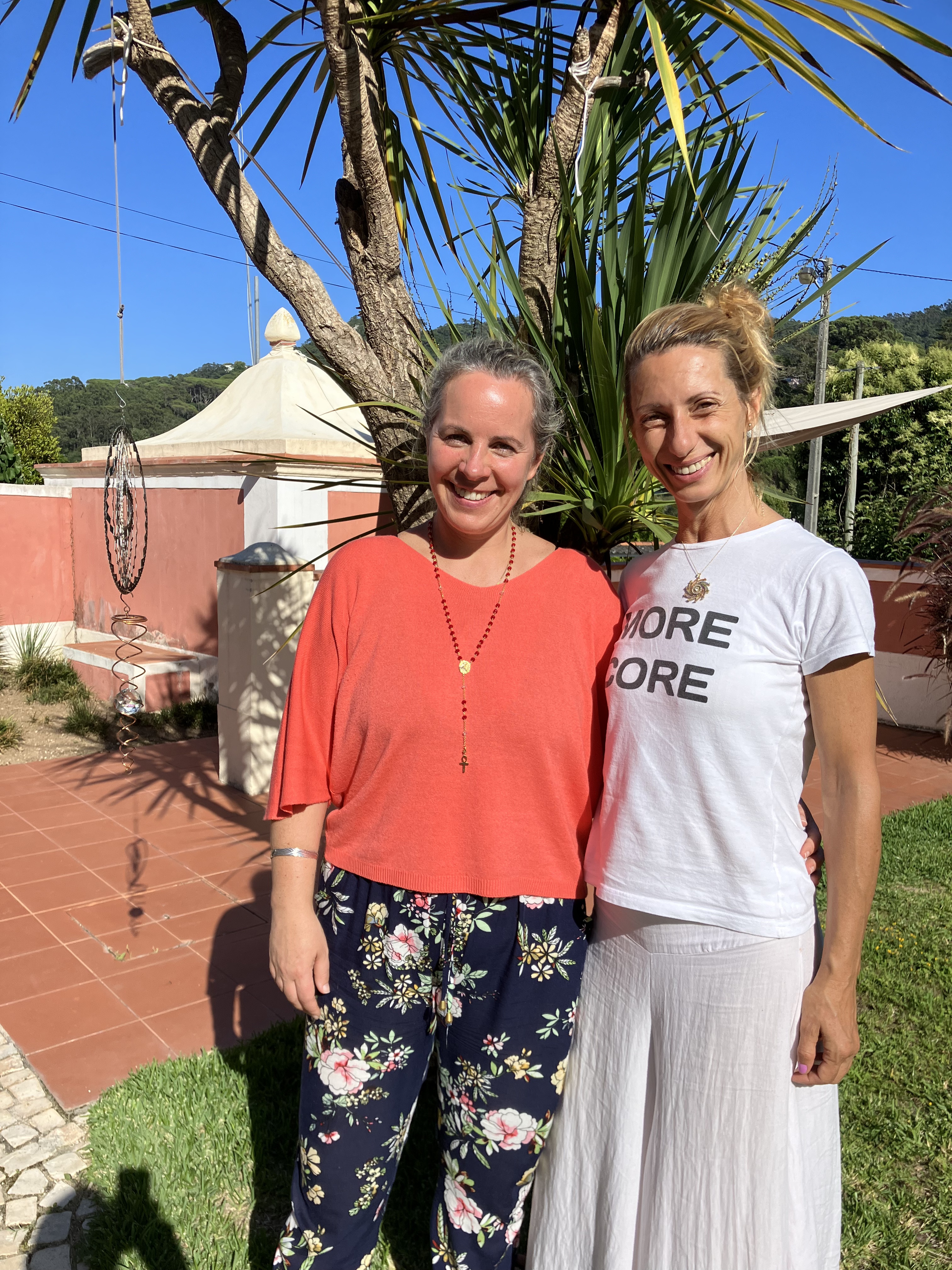
Diana studied traditional psychotherapy but found it lacking it in its ability to treat the body holistically. She went on to become a practitioner of tantra massage and core energetics.
What is Core Energetics?
What is core energetics? This is not a simple question to answer. In essence, core energetics is whatever you need it to be. Guided by the wisdom of the body and human connection, Diana helps her clients to uncover what is blocking them and where that is stored in the body. Through breathwork, movement and vocalization, new pathways are created.
Yes, let’s take a moment to appreciate how hippie-woo-woo that sounded. I feel you. But here’s why it works…
- Your body has a default reaction to stress, based on years of unconscious training
- A key step in core energetics training is to bring awareness to those reactions
- Once you have awareness, you can begin conditioning yourself to respond in new, more helpful ways
- You are supported by practitioners who are experienced and supportive, creating a safe environment and guiding the exercises
- In addition to awareness, the body needs anchoring. This is where breath work, vocalization and movement come into play
This past weekend, I took a deep dive and joined a core energetics retreat with Diana and Alexandra. It was a little out of my comfort zone, but I do believe the results are beyond that which can be achieved with traditional trauma therapy.
Example of a Core Energetics Exercise
In the interest of bringing the experience to life, I will share one of the exercises I found helpful at this retreat. Please note that exercises can vary drastically for different people and situations.
During a tension-releasing exercise, it became evident that holding tension in was oddly easy for me. I expressed my observation to Diana and Alex, and came to the realization that I am uncomfortable expressing anger. When they asked me why I don’t want to express anger, I told them that I have come to associate anger and confrontation with being abandoned and ostracized.
To help with my expression of this emotion, I was given a soft bat and large punching cushion of sorts to strike. I felt very uncomfortable showing anger in front of an audience, but Diana encouraged me to stay present and reminded me I was in a safe space. After several strikes, I was able to add vocalization and make eye contact with others in the room. I was very aware that my fear response was backing away from this expression, but I pushed through.
The purpose of this exercise was not to encourage violent behavior. Like many women with trauma, I struggle to express my anger and to say no. I won’t say that this one exercise made a radical difference overnight, but I will say that today I was able to tell a friend in a calm but assertive way something that I needed to improve our friendship. My request was well received.

The Importance of Mindfulness and Bodywork in Alleviating Trauma
The fear response begins in our mind – to oversimplify, in the amygdala – and sends signals to our body. These signals prepare our body for action. Our heart rate increases, our hormones flood us with energy, and we become more alert.
People who have experienced trauma have overly stimulated fear response circuitry. They can be easily triggered by new events that resemble past adverse experiences, even if the new events are non-threatening. Often, unnecessary panic or disassociation can occur.
Take for example a child who felt unsafe in their home due to a violent parent. As an adult, an argument with a partner could cause an emotional trigger, which prevents the person from communicating authentically from a place of awareness. For some, anger and yelling may be the response. For others, uncontrollable crying.
These reactions, even though they are unconscious, can damage our ability to form healthy connections with others. Additionally, trauma responses can also hamper our ability to recognize our own intuition and needs, leading instead to self-doubt and self-blame.
Focusing on the Breath
Not everyone has access to core energetics training, but everyone has the ability to meditate. Mediating just 5-10 minutes per day can have many benefits, including:
- Reduced stress, depression and anxiety
- Decrease blood pressure
- Improve memory
- Increase compassion and positive feelings
When we focus on the breath, we are more rooted in our bodies. Reducing unhelpful mental chatter goes a long way in improving our well-being.
Bodywork
The easiest way to get out of the mind is to get into the body. If you live in Portugal and want to try a core energetics session with Diana or join an upcoming workshop, check out her Facebook page.
Other resources for core energetics in Europe and the US:
- Netherlands Institute of Core Energetics – includes a list of therapists in Europe
- Institute of Core Energetics (New York)
There are many ways to reduce anxiety and overthinking with bodywork. Regular dance, exercise, sports and play are all great ways to do this.
Final Thoughts
Trauma and mental health disorders aren’t just in the mind. To see better improvements, holistic approaches are needed. I hope you found this introduction to core energetics helpful. If you’d like to know more, please leave a comment!
 Globetrotting Gal
Leave a comment